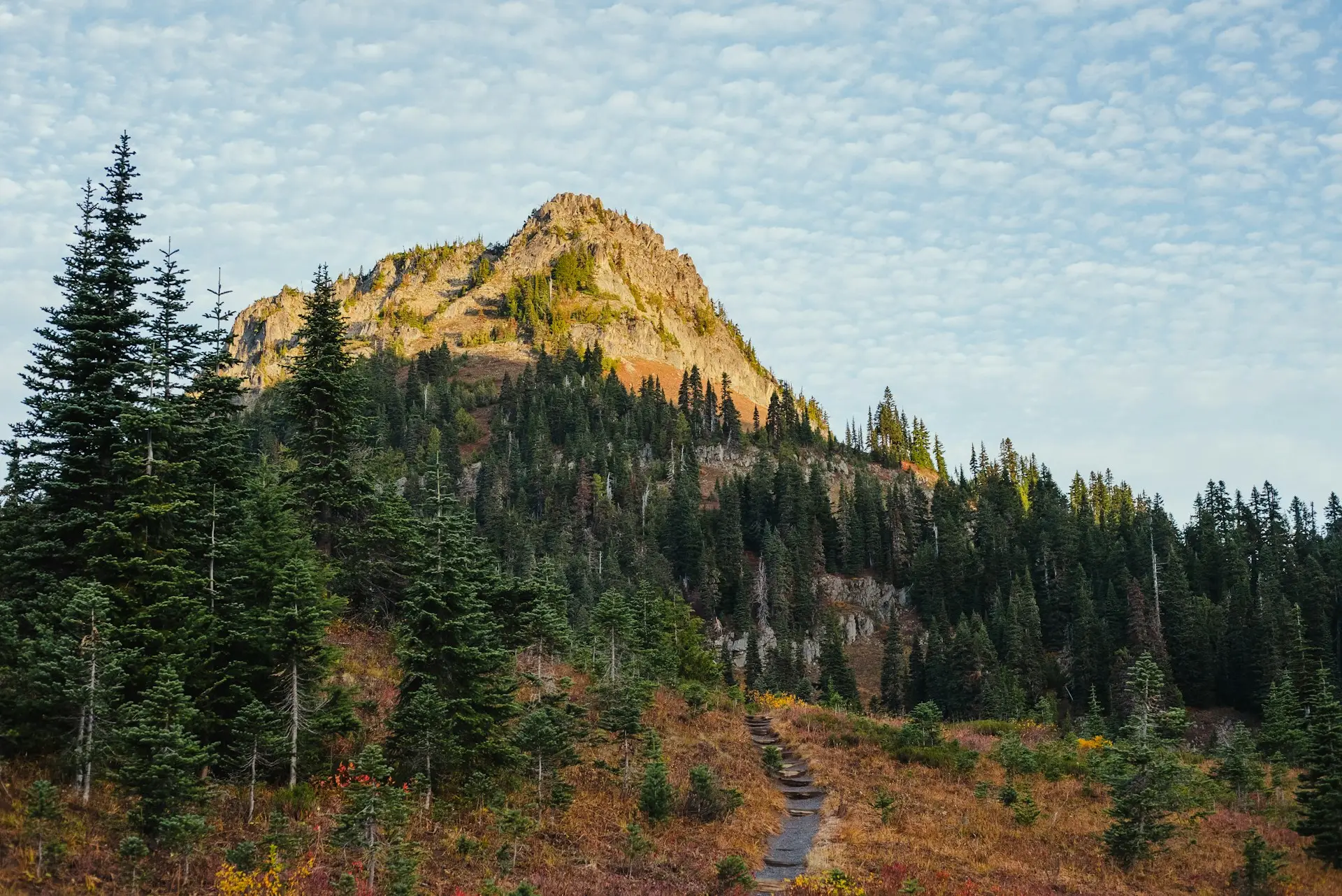
If you’re looking for a trail off the beaten path, with rugged terrain, solitude, and a chance to move ultralight into the unknown, the Bigfoot Trail may be your next project. Unlike the major “Triple Crown” routes, this 360-mile route through California’s Klamath Mountains remains largely under the radar. Wikipedia
Why It’s Worth Exploring
- The Bigfoot Trail winds through six wilderness areas, one National Park, and one State Park. Wikipedia
- The route covers a biodiversity hotspot (32 species of conifers!) in the Klamath Mountains. Wikipedia
- Because it’s so remote and less-trafficked, it offers an ideal canvas for an ultralight hiking challenge: fewer shelters, minimal infrastructure, and more space for real wilderness immersion.
- It presents great potential for a first or less-publicized fastest known time (FKT) attempt, or simply a section hike with purposeful gear reduction.
Route Overview
- Length: Approx. 360 miles (though the route varies as it’s informal/advanced). Wikipedia
- Terrain: Rugged, remote mountain terrain. Expect steep climbs, deep forests, volcanic ridges, and river crossings.
- Typical Duration: With ultralight base weight and strong pace, one might aim for 3–4 weeks, though many will section hike.
- Access & Logistics: The trail begins around the Yolla Bolly–Middle Eel Wilderness and ends near Redwood National Park at the Pacific Ocean. Wikipedia
- Seasonal Considerations: High elevation, remote terrain means you’ll want summer months (late June-September) when snowpack is low and water sources are reliable.
Ultralight Strategy for the Trail
Given the remote nature of the Bigfoot Trail, an ultralight mindset is not just about smaller gear — it’s about smarter logistics.
Base-Weight Target
Aim for a base weight (pack + shelter + sleep system + clothes + cook-kit) of 8–10 lbs (≈3.6-4.5 kg). The remote terrain rewards lower pack weight with more mileage and less fatigue.
Gear Highlights
- Shelter: A tarp-style or ultralight tent, ideally under 2 lb.
- Sleep System: 20–30 °F quilt, ultralight pad, ~2 lb total if possible.
- Pack: 40-45 L capacity is plenty for 3–4 day resupplies; consider premium fabrics for durability.
- Food & Resupply: Because the route has fewer towns/resupply points, plan for 4-5 day carries at times; pack high-calorie, lightweight meals (e.g., pasta + freeze-dried vegetables) and fuel accordingly.
Nutritional & Water Strategy
- Carry extra water filtration capacity; remote river crossings may be infrequent.
- Use high-calorie backpacking meals that minimize fuel usage — saving both weight and resources.
- Plan resupply drops or “mail-home” options for remote segments.
Wayfinding & Support
- Because the Bigfoot Trail is less marked than major long-distance trails, navigation skills (map, compass, GPS) are essential.
- Bring a satellite messenger or personal locator beacon — cell coverage may be nonexistent in many segments.
- Use community resupply points or plan vehicle drops if you’re section hiking.
Trail Experience & Highlights
- Early Days: Start in the Yolla Bolly–Middle Eel Wilderness — quiet ridges, massive trees, real solitude.
- Mid-Segment: Crossing multiple wilderness areas, you’ll find expansive ridgelines, conifer diversity, and minimal crowding.
- Final Stretch: As you near Redwood National Park, transition from high mountain forest to coastal views and the sea air — a dramatic ending to a long hike.
- Wildlife & Flora: The Klamath region is rich in biodiversity — spotting rare conifers, big-foot lore, and deep wilderness flora is part of the reward.
Why It Matters for the GearFlip Community
- Opportunities for ultralight innovation: With fewer trail resources, less weight translates directly to freedom and mileage.
- Circular gear friendly: Think multi-week with gear you’ll flip later — supports your resale mindset.
- First-mover appeal: Because this trail is lesser-known, you could document a strong attempt or even aim for a record — unique content for your blog or gear community.
- Authentic wilderness experience: For hikers who’ve done the big three and want something raw, wild and less trodden.
Final Thoughts
If you’re ready for more than a checklist hike, if your gear is dialled for weight and your mind is ready for solitude, then the Bigfoot Trail is worth serious consideration.
As you step into the forest, feel how less gear, fewer distractions, and more nature combine to give you one thing you can’t buy: time on trail moving freely.
And remember: the pack isn’t the achievement — the trail is. Let the Bigfoot Trail become your next chapter.